What Are The Major Categories Of Plumbing In Normal Heights San Diego?
The article explains the four systems that make up the plumbing in most buildings: the fresh water supply that brings clean water in, sanitary drainage that carries wastewater and sewage out, stormwater drainage that moves rain away from the structure, and the natural gas supply that feeds appliances such as furnaces, water heaters and stoves.

Plumbing is a system of pipes, fittings, appliances and fixtures installed for the distribution of water and the removal of wastewater in a structure. It is one of the most important systems in a home or commercial building, as it is responsible for the delivery of clean water and the removal of waste products.
There are many different types of plumbing systems, each with its own unique set of components and functions. The four major categories of plumbing are:
Fresh Water Supply
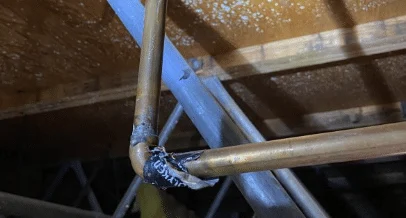
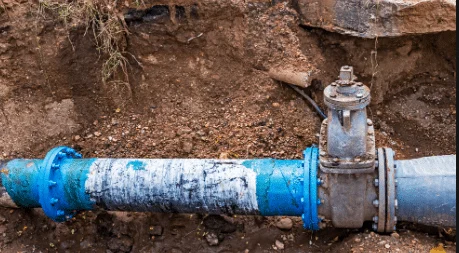
In this system, water is delivered from a clean source (usually a municipal water supply) to the home or building. This system includes the pipes and fixtures that bring fresh water into the building, as well as the appliances that use it. Fresh water supply is the most basic and important of all the plumbing systems. The lag that provides water to the home is typically made of plastic or metal. This should be treated every six months to ensure that it does not corrode and cause water contamination. The contaminated water later flows into the drainage system.
Sanitary Drainage
This system removes wastewater and sewage from the building to an appropriate treatment facility. It includes the pipes and fixtures that carry waste water away from the building, as well as the traps and vents that allow air to enter the system and keep sewer gases from entering the building. It is important to maintain this system to prevent odors and the spread of disease. For the safety of the occupants, it is also important to make sure that this system is properly ventilated.
Stormwater Drainage
This system carries rainwater and other runoff away from the building to prevent flooding. It includes gutters, downspouts, and drains that collect and carry water away from the building. If it is not properly maintained, stormwater can cause serious damage to a structure. The severe weather events of recent years have highlighted the importance of this system.
Natural Gas Supply
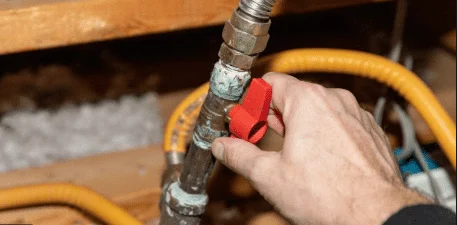
This system delivers natural gas to the building for use in appliances such as furnaces, water heaters, and stoves. It includes the pipes and fixtures that bring gas into the building, as well as the appliances that use it. Natural gas supply is a vital part of many plumbing systems. The hinderance or loss of this resource can have a significant impact on a structure and its occupants.
Questions about plumbing systems
What is the difference between sanitary and stormwater drainage?
Sanitary drainage carries wastewater and sewage from fixtures to treatment, using traps and vents to keep sewer gases out of the building. Stormwater drainage collects rain and runoff through gutters, downspouts and drains and carries it away from the structure to prevent flooding.
Is gas piping part of a building’s plumbing?
In many buildings, yes. The natural gas supply that feeds furnaces, water heaters and stoves is treated as one of the main plumbing systems, and it is installed and repaired by plumbers who work on gas lines.
Why do drains need vents?
Vents let air into the drainage system so wastewater flows freely, and together with traps they keep sewer gases from coming back into the building.
Conclusion
Each of these systems is vital to the function of a home or commercial building. Plumbing professionals are trained to design, install, and maintain these systems. It is important to choose a plumbing contractor who is experienced and licensed to work in your area. For more information, contact Plumber Normal Heights San Diego at (619) 678-2444.