
Executive Summary
The tools plumbers use for sewer inspection San Diego homeowners rely on—primarily sewer cameras, locating transmitters, and drain cleaning equipment—are designed to identify specific pipe defects and map their exact location to avoid unnecessary digging. A complete inspection typically combines imaging, surface locating, and targeted cleaning to produce actionable repair or maintenance recommendations.
Key Takeaways
- Sewer cameras pinpoint the problem inside the pipe — Push cameras provide real-time video to confirm issues like roots, cracks, offsets, bellies, corrosion, grease, and foreign objects.
- Locators turn camera findings into precise dig points — A sonde/transmitter and surface locator help mark the defect location from above ground, reducing property disruption and improving repair accuracy.
- Cleaning tools support clearer diagnostics and better outcomes — Hydro-jetters and augers remove buildup or blockages so plumbers can restore flow and perform a cleaner second camera pass to reveal hidden damage.
- Inspection workflow creates consistent, usable documentation — A standard process (access, camera run, distance measurement, surface locating, and recommendations) helps produce reliable “distance-to-defect” findings for planning.
- Action after inspection should match the confirmed defect — Results typically guide whether cleaning is sufficient or whether spot repair, lining, or replacement is warranted based on structural condition and recurrence risk.
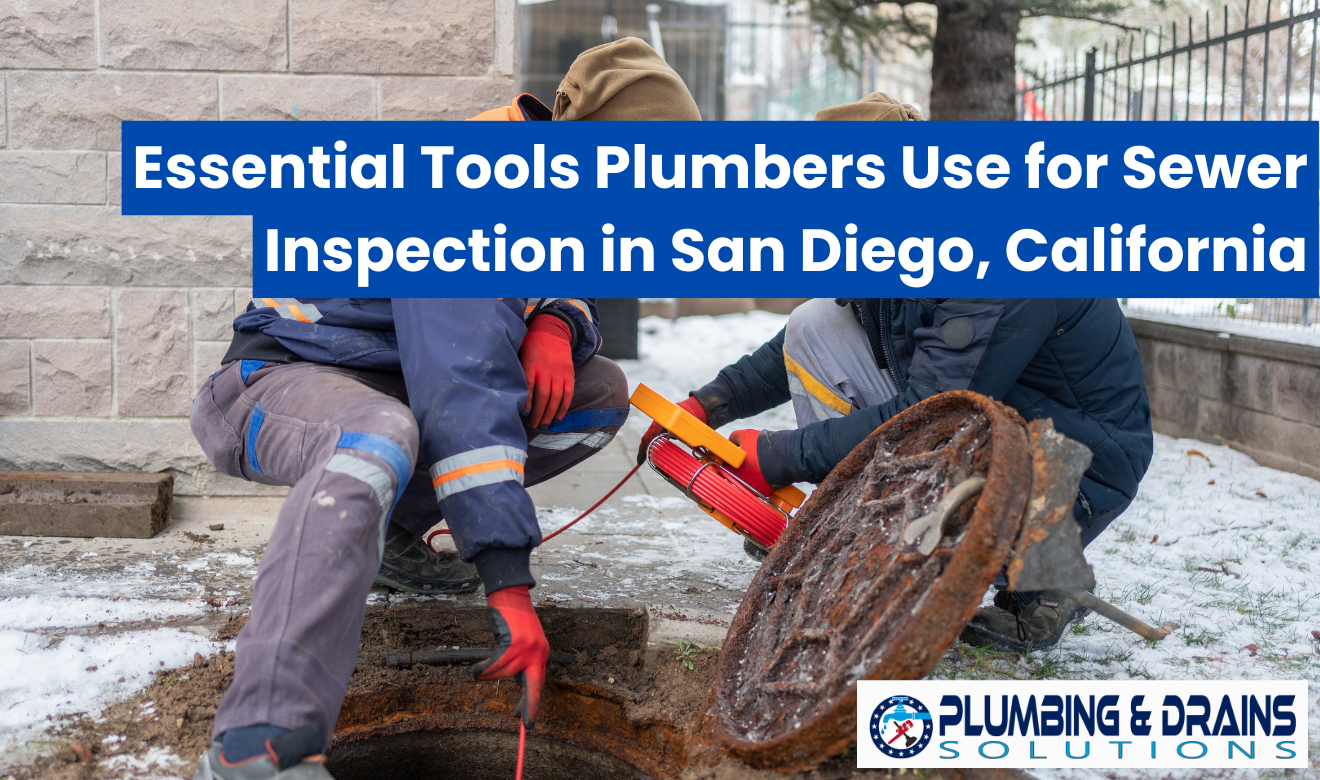
Plumbers in San Diego rely on a small set of specialized gear to spot sewer problems quickly and accurately, and the tools plumbers use for sewer inspection San Diego homeowners see most often are sewer camera systems, locating transmitters, and drain cleaning machines. A waterproof video camera gets pushed through the line to show root intrusions, cracked pipes, and offset joints in real time. A locator wand then helps pinpoint the camera’s position from above ground, so the problem area can be marked near a driveway, patio, or landscaping.
In many cases, they’ll also use hydro-jetters or power augers to clear heavy buildup before running the camera again for a clean view. For example, if a line is backing up during laundry day, a camera can reveal grease or sludge narrowing the pipe, and a jetter can flush it out. If a yard keeps smelling like sewage after rain, a camera and locator can help confirm a belly in the pipe or a break, without guessing where to dig.
What the Tools Plumbers Use for Sewer Inspection San Diego Are Designed to Find
The tools plumbers use for sewer inspection San Diego properties depend on aren’t just for “seeing inside a pipe.” They’re built to identify specific failure patterns and to help map them precisely so repairs don’t turn into unnecessary digging.
Here are the most common issues the tools plumbers use for sewer inspection San Diego homeowners ask about:
- Root intrusion (fine hair roots to heavy root balls)
- Cracks, fractures, and collapsed sections (often in aging clay or cast iron)
- Offset joints (pipe sections no longer aligned)
- Bellies (a low spot where water and waste sit)
- Grease buildup (common in kitchen branch lines)
- Scale and corrosion (frequent with cast iron)
- Foreign objects (wipes, toys, construction debris)
Because the tools plumbers use for sewer inspection San Diego technicians carry include both imaging and locating equipment, they can typically confirm not only what is wrong, but also where it’s happening—often down to the foot.
How Sewer Camera Inspection Works (Step-by-Step)
If you’ve never watched a live inspection, the process is straightforward. Most technicians follow a repeatable workflow so results are consistent and useful for repair planning.
- Access the line through a cleanout, roof vent, or by removing a toilet (depending on layout).
- Confirm flow conditions (standing water, active backup, or slow drain) that might limit visibility.
- Run a waterproof push camera through the sewer line and record video.
- Measure distance using the camera reel counter (helps document “problem at 42 feet,” etc.).
- Locate from above ground using a sonde/transmitter and locator wand to mark the spot.
- Recommend next steps (cleaning, spot repair, lining, replacement) based on the actual defect.
In practice, the tools plumbers use for sewer inspection San Diego crews rely on most are a high-resolution camera head, a push rod, a sonde transmitter (or built-in beacon), and a surface locator.
What Equipment Is Most Common for Sewer Diagnostics
Below is a quick breakdown of the tools plumbers use for sewer inspection San Diego technicians tend to carry on well-equipped service trucks, and what each tool contributes to accurate diagnosis.
| Tool | What it does | Best used for |
|---|---|---|
| Sewer camera (push camera) | Provides live video inside the pipe; often records and timestamps footage | Roots, cracks, offsets, grease, corrosion, obstructions |
| Sonde/transmitter + locator | Pinpoints camera head location from the surface | Marking dig points under lawns, driveways, patios |
| Hydro-jetter | Uses high-pressure water to scour pipe walls and flush debris | Grease, sludge, soap scum, sand/silt, light root debris |
| Drain machine / power auger | Cuts through clogs mechanically with a rotating cable and head | Tough blockages, some roots, wipes, compacted debris |
In real jobs, the tools plumbers use for sewer inspection San Diego techs bring are used together: camera to identify, locator to map, and cleaning tools to restore flow and re-check the condition.
Why Locating Transmitters Matter Before Any Digging
A camera alone shows the inside of the pipe, but it doesn’t automatically tell you where that pipe sits under your property. That’s why locators are a key part of the tools plumbers use for sewer inspection San Diego residents should expect on a proper diagnostic call.
Locating provides:
- More accurate repair planning (spot repair vs. long trench)
- Less invasive digging (protects landscaping and hardscape)
- Better coordination when working near patios, driveways, retaining walls, or pool decks
- Clear markings for permits, excavation crews, or later repair visits
It’s especially helpful when a defect is near a property feature you care about—like stamped concrete, pavers, or mature plants.
How Plumbers Choose Between Hydro-Jetting and Snaking After Inspection
Once the camera shows what’s inside the line, the next step is often cleaning—either to restore flow or to get a clearer second camera pass. The decision usually depends on what the tools plumbers use for sewer inspection San Diego crews see on-screen.
In general:
- Snaking (augering) is commonly used to punch through a blockage and re-open the line quickly.
- Hydro-jetting is commonly used to clean the pipe walls and flush out buildup more thoroughly.
If you want a deeper comparison of when each method makes sense, see hydro-jetting vs. snaking.
When heavy buildup is present, many plumbers will clean first, then re-run the camera. That second pass is where the tools plumbers use for sewer inspection San Diego technicians rely on can reveal the “real” condition—like cracks that were hidden behind sludge.
Cost: What Impacts Sewer Inspection Pricing in San Diego
Pricing varies by access, line length, and whether the inspection is paired with cleaning. While exact quotes depend on the property, homeowners can understand pricing by looking at what drives labor time and equipment use.
Common cost factors include:
- Cleanout access (easy exterior cleanout vs. pulling a toilet)
- Line length and layout (long runs, multiple bends, older configurations)
- Standing water or active backup (may limit camera visibility)
- Need for pre-cleaning to get usable video
- Location service (surface marking adds time but improves repair accuracy)
- Documentation needs (recorded files, photo stills, written findings)
If you already know you need a thorough line clearing before re-inspecting, scheduling a combined service like Hydrojetting can be the practical way to restore flow and improve camera results.
Bottom line: the tools plumbers use for sewer inspection San Diego pros deploy aren’t “one tool.” The more complete the diagnostic package (camera + locator + proper cleaning capability), the more actionable the results tend to be.
What to Ask For So You Get a Useful Sewer Camera Report
Two camera inspections can look very different depending on how the work is documented. If your goal is to make repair decisions confidently, ask for deliverables that make the findings clear.
Good reporting typically includes:
- Distance-to-defect (example: “root intrusion at 37 feet”)
- Surface location marking (paint/chalk flags on the ground when feasible)
- Video recording you can keep
- Key snapshots of the defect
- Plain-language summary of what was found and what it means
Because the tools plumbers use for sewer inspection San Diego teams carry can generate high-quality footage, you should be able to clearly see the problem area—especially after cleaning when needed.
Real-World Indicators That You Need a Sewer Inspection (Not Just a Quick Snaking)
A one-time slow drain can be minor. The bigger warning signs are patterns that suggest a defect in the main line or recurring buildup. The tools plumbers use for sewer inspection San Diego homeowners call for are most valuable when symptoms repeat or multiple fixtures are involved.
Common triggers for a camera inspection:
- Recurring backups even after snaking
- Multiple drains slow at once (tubs, toilets, showers)
- Sewage odor outdoors especially after rain or heavy use
- Gurgling toilets or bubbling in a tub when flushing
- Unexplained wet spots or greener patches in the yard
San Diego’s older neighborhoods often have a mix of materials (clay, cast iron, ABS/PVC repairs), and transitions can be a weak point. That’s where the tools plumbers use for sewer inspection San Diego specialists bring—camera plus locating—help confirm whether the issue is a simple clog or an actual structural problem.
Why “No-Dig Guessing” Beats Trial-and-Error Repairs
Without camera and locator work, repairs often rely on assumptions: dig where it “usually breaks,” replace a section that “might be bad,” or keep snaking the same line. A proper inspection reduces that uncertainty.
Benefits of using the tools plumbers use for sewer inspection San Diego crews trust:
- Fewer repeat visits because the root cause is verified
- Less property disruption because the defect is mapped
- Better repair targeting (spot repair vs. broader replacement)
- Better long-term planning if the camera reveals widespread deterioration
For background on how the systems in a home work together (water supply, drain/waste/vent, and fixtures), see plumbing.
What Happens After the Inspection: Cleaning vs. Repair vs. Replacement
After the camera work, the next step should match what the tools plumbers use for sewer inspection San Diego technicians actually found—not a one-size-fits-all recommendation.
When cleaning is usually enough
- Soft blockages from grease/soap/sludge
- Early-stage buildup without structural defects
- Minor root intrusion that can be maintained periodically
When repair is usually needed
- Cracked or broken sections
- Offset joints that snag paper and waste
- Bellies that repeatedly hold water and solids
When replacement planning becomes smart
- Multiple failing sections across the run
- Severe corrosion/scale in cast iron with repeated blockages
- Recurring root intrusion due to widespread joint failure
If the video shows a clear structural defect, the most direct next step is typically Sewer Repair. The value of the tools plumbers use for sewer inspection San Diego properties depend on is that you can move from “symptoms” to a specific repair scope.
Safety and Professional Standards: What “Good Practice” Looks Like
Because sewer inspection involves wastewater exposure, electrical equipment, and sometimes confined-space considerations, professional handling matters. A solid inspection also avoids damaging the line during access or cleaning.
Professional best practices often include:
- Using GFCI protection for powered equipment when applicable
- Appropriate PPE (gloves, eye protection, hygiene controls)
- Protecting flooring and using containment when pulling a toilet or opening cleanouts
- Explaining findings clearly with video evidence, not vague claims
In other words, the tools plumbers use for sewer inspection San Diego crews bring are only half the equation—the other half is using them correctly and documenting results in a way that holds up when you’re making repair decisions.
From Camera to Clarity: The Credentials That Should Back the Inspection
When you hire a professional to run sewer diagnostics, look for qualifications that support accurate interpretation—not just the ability to push a camera down a pipe. The best results come from technicians who combine proper equipment with real field experience in drain and sewer systems.
- State-licensed plumbing contractor (verify active licensing and insurance)
- Documented sewer camera experience (interpreting roots vs. offsets vs. bellies)
- Training on drain cleaning equipment to avoid pipe damage during jetting/augering
- Code-aware repair recommendations that match typical permitting and safety expectations
When those credentials align with the right gear, the tools plumbers use for sewer inspection San Diego homeowners rely on become more than a camera—they become a reliable way to diagnose, locate, and plan the least disruptive fix.
Frequently Asked Questions
Stop Guessing What’s in Your Sewer Line—Get Clear Answers Fast
If you’re dealing with recurring backups, slow drains, or that “something’s not right” sewer smell, a proper camera inspection and locating service can save you from unnecessary digging and repeat clogs. Best Plumbing and Drains of San Diego LLC uses professional sewer inspection tools to pinpoint the exact problem and its exact location—so you get a clear plan forward, whether that means cleaning, repair, or a longer-term solution.


